The sports card market had a historic boom during 2020-2021, and while it's cooled somewhat, certain cards and strategies continue to perform well. Here's how to think about cards as investments.
The #1 Rule: Buy What You Love
The worst thing you can do is buy cards you don't care about purely for profit. Markets fluctuate. Players get injured. Hype fades. If you buy a card of a player you're passionate about, you'll enjoy owning it regardless of market moves.
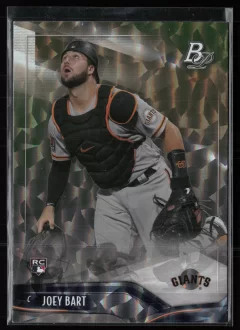
High-Grade Rookies of Young Stars
The most reliable long-term value comes from PSA 10 or BGS 9.5 rookie cards of players who:
- Are under 25 years old
- Have already established themselves as stars
- Play in large markets or have global fanbases
- Have realistic Hall of Fame trajectories
Think Shohei Ohtani, Juan Soto, Julio Rodriguez. These players have decades of play ahead of them.
Low Pop Report = Higher Value
'Pop report' refers to how many copies of a card have been graded at a certain level. A card with a PSA 10 pop of 5 is worth much more than one with a pop of 500. Check PSA's public pop report before paying a premium.
Vintage Cards: Slow and Steady
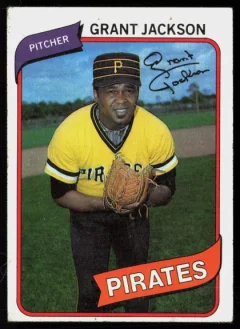
Pre-1980 baseball cards — Mickey Mantle, Willie Mays, Hank Aaron — tend to be stable stores of value. They don't spike dramatically, but they also don't crash. Great for long-term holds.
What NOT to Buy for Investment
- Packs — Expected value is almost always negative
- Trendy players mid-hype spike — Buy before the spike, not during
- High-population commons — Thousands of PSA 10s of the same card = low value per copy
- Cards of players with injury history — Career-altering injuries can crater values overnight
The Honest Truth
Most cards don't appreciate. Treat the hobby as a hobby first, and be pleasantly surprised if certain cards grow in value.